
Vistara Dummy Ticket Booking: Your Options Explained

Vistara Dummy Ticket: How to Get a Clean, Embassy-Verifiable Reservation
Vistara on the ticket. Air India on the website. A consulate that still wants to see a neat, verifiable itinerary before it even looks at your visa form. If that sounds like your situation right now, you are not alone. Indian travellers are juggling new booking rules, tight appointment slots, and routes that used to be Vistara but now live inside Air India systems. When you need a reliable dummy ticket for your visa application, turn to trusted options that provide verifiable PNRs without the full commitment.
In this guide, we will walk through how you can still get a solid “Vistara-style” dummy ticket without locking up a big chunk of money. We will look at fare locks, OTA holds, travel agent tricks, and when it actually makes sense to pay for a specialist dummy booking. By the end, you will know exactly which option to pick for your route, your visa timeline, and your risk tolerance. For more details on common questions, check our FAQ or explore our blogs. Get your next visa file ready in minutes with a dummy ticket. Also, learn more about our team and services on the About Us page.
Vistara dummy ticket is frequently used by travelers who need to present proof of onward or return travel without purchasing a fully paid airline ticket. While most visa authorities do not require ticket payment at the application stage, they do expect a verifiable proof of travel intent showing clear entry and exit plans.
Using a professionally issued and verifiable Vistara dummy ticket allows travelers to meet visa and immigration requirements safely, avoiding the financial risk of buying a non-refundable flight before approval.
Last updated: December 2025 — verified against current airline reservation practices and global visa documentation guidelines.
Where Vistara Fits Into Your Dummy Ticket Booking Plans
Before you choose any dummy ticket trick, you need clarity on one thing. What exactly are you booking now when you think of “Vistara”?
Once that part is clear, every other decision about holds, fare locks, OTAs, or agents becomes much more straightforward. If your appointment is close and you don’t want to risk full payment, simply book a dummy ticket instead.
From Vistara Branding To Air India Control: What Changed For You
Vistara, as a standalone booking brand, has effectively moved into the Air India ecosystem. The purple tail may still be on some aircraft, the service may still feel familiar, but the control panel for your booking is now Air India.
For you, this shows up in very practical ways:
- New bookings for future travel are handled through Air India’s website and app.
- Many of the old UK flight numbers have been recoded into Air India ranges.
- Add-ons, fare rules, schedule changes and seat availability are all now driven by Air India systems.
From a visa point of view, that matters more than the paint on the tail. Consulates usually care about what appears in the airline’s live system. If your Delhi–Singapore or Mumbai–London flight sits inside Air India now, you must plan like an Air India customer even if your heart still says Vistara. For detailed visa requirements, consider resources from authorities like SchengenVisaInfo.com.
Can You Still “Just Book On Vistara” Like Before?
Old habits die hard. A lot of travellers still type “Vistara” into their browser, expecting to finish the entire booking there, then put it on hold for a visa.
In reality, that experience has changed. For most future travel, the Vistara Website will guide you towards Air India channels to complete the purchase. Fresh, long-term Vistara-only ticketing is not how the system is designed anymore.
So if your plan was:
- Book directly with Vistara,
- Call the Vistara helpline,
- Ask them to hold a seat as a dummy ticket,
You will quickly hit a wall. The modern workflow is built around Air India. Your strategy now has to involve Air India tools, OTAs that plug into Air India inventory, or agents using global systems that talk to Air India.
Already Holding A Vistara Booking? Use It Smartly
Not everyone is starting fresh. You might already have a Vistara PNR from earlier in the year and now need to use it for a visa appointment.
In most cases, those bookings have been migrated into Air India’s environment. The PNR often remains the same, but the operating carrier name and flight numbers may look different.
Here is a simple way to handle that:
- Go to Air India’s “Manage Booking” section.
- Enter your old Vistara PNR and last name.
- Confirm that your sectors, dates and names are correct.
- Download a new itinerary or e-ticket from Air India rather than using the original Vistara PDF.
For a visa officer, the important thing is that your booking appears as active and consistent in the airline system on the day they check it. If your PNR is live and your travel is still in the future, an ex-Vistara-now-Air-India ticket is usually just as good as any other full-service booking. This approach ensures your documentation aligns with current airline mergers and avoids common pitfalls in visa submissions.
Starting From Zero? Build Your Dummy Ticket Plan Around Air India
If you do not have any existing Vistara ticket, it helps to mentally reset. Forget the old Vistara-only techniques and design your dummy ticket plan around Air India from the beginning.
That means you should:
- Search your chosen route (for example, Delhi to Frankfurt or Mumbai to Singapore) on the Air India website or app.
- Check whether a Fare Lock or similar add-on appears for your dates and flight.
- Decide whether you want to rely on airline tools, OTA holds, a travel agent reservation or a dedicated dummy-ticket service.
You are no longer chasing a “Vistara dummy ticket” as such. You are trying to secure a verifiable PNR for a specific route that used to be Vistara territory but now lives in Air India’s systems. Expanding on this, consider how dummy tickets can be customized for various visa types, ensuring they meet embassy requirements without unnecessary financial risk.
The Indian Rules Quietly Shaping Your Options
All of this sits on top of India’s wider passenger-rights conversation. Regulators have been pushing airlines toward more consumer-friendly refunds and penalties, including ideas like look-in windows and stricter refund timelines.
For you, that translates into a few important realities:
- Genuine, fully refundable fares still cost more, especially on international routes.
- Refunds routed through OTAs and agents can still take time to hit your account, even when rules are improving.
- Airlines are gradually being nudged toward clearer fee structures and more predictable cancellation terms.
In visa situations, that creates an interesting balance. You might be tempted to book a real ticket and rely on cancellation rights, but your consulate may hold your passport longer than your free-cancellation window. On the other hand, a pure hold that vanishes too early can also be useless.
This is why understanding where Vistara now sits under Air India is so important. Once you accept that your “Vistara” booking is really an Air India-managed booking, you can make smarter choices with fare locks, OTA holds, travel agent reservations, and, if needed, specialist dummy tickets tailored to your visa timeline. To dive deeper into regulatory changes, exploring additional resources can provide clarity on how these affect your planning.
Turn Air India’s Fare Lock Into Your Visa Safety Net
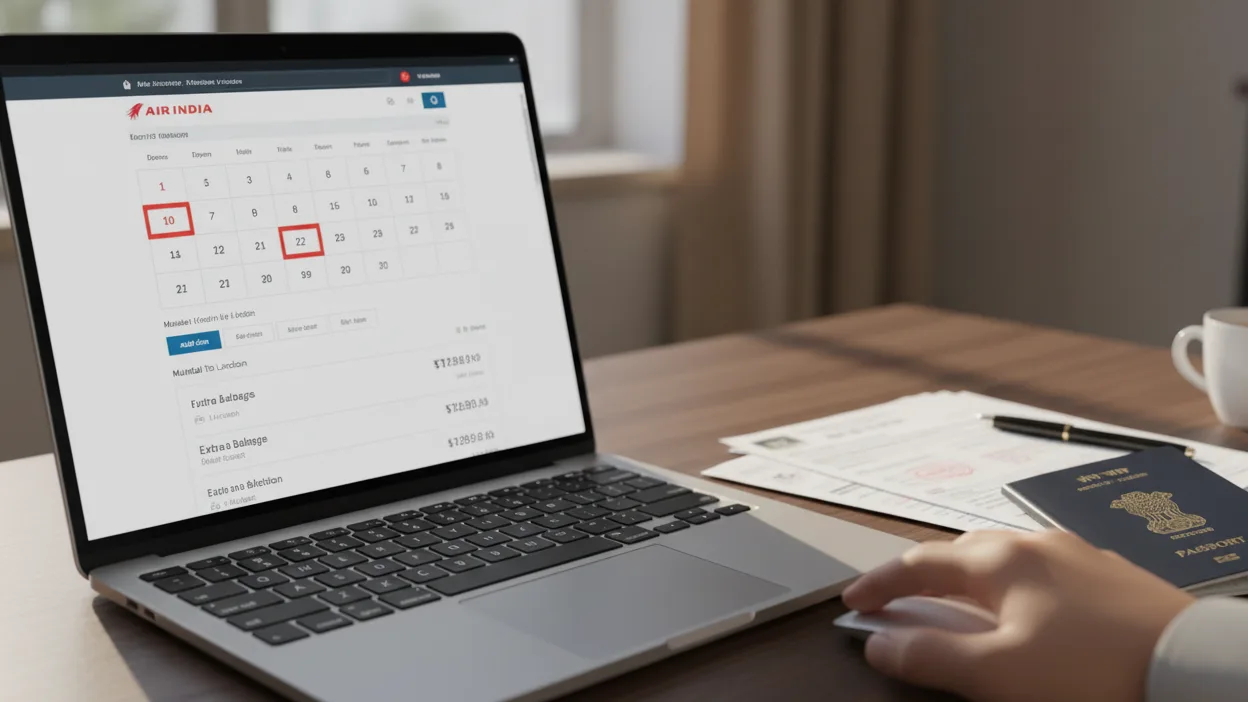
Once you accept that ex-Vistara routes now sit inside Air India systems, the next logical question is simple. How do you hold that itinerary long enough for your visa work without paying the full fare upfront?
That is where Air India’s Fare Lock becomes your first serious tool. Lock in a clean, verifiable itinerary today using our fast dummy ticket booking service.
Air India Fare Lock: Your New “Vistara-Style” Hold Button
Fare Lock is Air India’s way of letting you freeze a fare for a short time without paying the full ticket amount immediately. For former Vistara routes now sold by Air India, this is effectively the airline-backed dummy ticket option.
Here is the simple idea. Instead of buying the ticket, you pay a small, non-refundable fee, and Air India keeps that fare and seat aside for you for a limited time. During that window, no one else can grab that exact combination of date, time and booking class at a higher price.
A few important points to keep in mind:
- Fare Lock usually appears only on eligible flights and fares. You will not see it on every single search.
- You normally need to book at least several days before departure. Very last-minute trips often do not show the lock option.
- The lock fee is separate from the ticket price, and you do not get it back, even if you later complete the booking.
For visa purposes, the main advantage is psychological. You know that for the next couple of days, your ideal itinerary is protected while you finalize documents, check appointment dates or discuss plans with family. This tool is particularly useful for those navigating merger-related changes in booking processes.
Turning Fare Lock Into A Dummy-Friendly Booking
Using Fare Lock is not complicated, but small details matter if you want to use it as a dummy ticket.
Here is a simple flow you can follow for most ex-Vistara routes now under Air India:
- Search your route on the Air India website or app.
- Choose your origin, destination, and tentative travel dates.
- Make sure your dates are at least a couple of weeks away so you have better odds of seeing the Fare Lock option.
- Look for an eligible Air India-operated flight.
- Check that the flight is actually operated by Air India, not a pure codeshare where another carrier runs the aircraft.
- Select your preferred timing and cabin.
- On the review or add-ons page, watch for “Fare Lock” or “Hold Fare”.
- If the feature is available, it will usually show the lock duration and fee.
- You choose the lock option instead of paying the full ticket amount.
- Pay only the lock fee.
- Use your usual method like UPI, card or net banking.
- After payment, you receive a PNR and confirmation that your booking is on hold for a fixed period, often 48 hours.
- Save everything.
- Download or screenshot the confirmation page and email.
- Note the lock expiry time so you are not caught out.
For a visa situation, this held PNR can sometimes work as a short-term proof of itinerary, especially when your appointment is within the lock window, and the consulate is comfortable seeing a held booking rather than a fully ticketed one. Expanding this, many users find that combining fare locks with other documents like hotel reservations strengthens their applications significantly.
When A 48-Hour Hold Helps And When It Lets You Down
A 48-hour hold sounds great on paper, but it does not fit every visa scenario.
Where Fare Lock is often enough:
- Your VFS or embassy appointment is tomorrow or the day after, and you only need the PNR to be live at that exact moment.
- You are applying for a post that accepts held bookings as proof of travel intent, not strictly ticketed reservations.
- You are in a low-risk situation where you are likely to travel even if the visa takes time.
Where Fare Lock quickly becomes too short:
- Consulates that keep your passport for longer and may re-check details later.
- Student visas or work permits with processing times measured in weeks, not days.
- Situations where you expect to reschedule your appointment more than once because of document issues.
In those cases, a simple 48-hour hold is more like a breathing space tool than a full dummy ticket solution. It buys you time to decide whether to commit to the fare, but it may not cover your entire visa journey. For longer timelines, exploring alternative strategies becomes essential to avoid complications.
Where Air India Express And Similar Add-Ons Fit In
If you are flexible with the airline and your route also appears on Air India Express, you may see a different flavour of fare lock. Air India Express has its own lock-style product with different fees and sometimes longer hold windows compared to mainline Air India.
For a budget-minded traveller, that can be tempting. A slightly longer hold, a lower base fare and a familiar Indian brand sound attractive if all you need is documentation for a tourist visa.
Before you jump, think about three things:
- Airline profile: Full service carriers are sometimes looked at more favourably than low cost ones for certain long haul or complex itineraries, especially for students or business travellers.
- Visa expectations: Some embassies quietly expect to see a “serious” itinerary that matches the profile of your trip. A rock-bottom, low-cost booking for a multi-country European route might raise questions even if it is technically valid.
- Flexibility: Low-cost carriers often have stricter change and cancellation rules once you convert the hold into a ticket. If your visa gets delayed or refused, your losses can be higher.
So Air India Express fare lock is not wrong. It just suits short leisure trips better than big life moves like study or work abroad. Considering these factors can help tailor your choice to your specific needs.
Fare Lock, Cancellations, And What Happens If Plans Change
One of the biggest confusions around Fare Lock is what happens to your money if you change your mind.
Here is the clean version:
- The lock fee is non-refundable. Even if you decide not to travel or you end up booking a completely different flight, that fee is gone. Think of it as paying for breathing space.
- If you tick within the lock window, normal rules start. Once you convert the held booking into a full ticket, standard Air India fare rules, penalties and refund timelines apply. Your future flexibility depends on the fare type you picked, not on the fact that you used Fare Lock initially.
- If you forget to act, the hold just dies. The booking auto-cancels at the end of the lock period. You do not owe anything more, but you also do not get your lock fee back.
Because of this, Fare Lock works best when you use it intentionally. Use it when:
- You have a visa slot already booked and need a short-term dummy ticket.
- You want to protect a good fare while you double-check documents or discuss dates with family.
- You are comfortable losing a small fee if your plans collapse.
It is less ideal if you are still at the “maybe I will apply for this visa” stage or if your consulate is known to take weeks to decide. In those longer, messier scenarios, you will likely need to combine airline fare locks with OTAs, agents or specialist dummy tickets that can provide longer validity windows. This strategic layering can significantly reduce stress in complex applications.
Let OTAs Work For You When Airline Hold Times Feel Too Short

Once you know what Air India offers directly, the next question is simple. What do you do when Fare Lock is missing, too short, or does not appear for your route?
This is when Indian online travel portals become your backup dummy-ticket plan. When consulates ask for confirmed plans, stay flexible and just book a dummy ticket.
Why Indian OTAs Still Matter After The Merger
Most Indian travellers already use MakeMyTrip, Yatra, Cleartrip or ixigo to compare flight tickets and timings. For ex-Vistara routes, these portals are more than just search tools.
They plug into the same global systems airlines use, so you often see the same seats that appear on an airline website. On top of that, they add features that suit visa timelines, such as:
- Short “hold now, pay later” options on selected international routes.
- Price locks that freeze a fare for a few days for a small fee.
- Part-payment choices that let you secure the plan with less cash up front.
For your visa application process, these add-ons can matter more than a small fare difference. Used correctly, they can create something that behaves very similar to an airline dummy ticket without forcing you to pay for the entire journey on day one. Post-merger, OTAs have adapted to handle integrated inventories effectively.
What Really Happens When You Hit “Hold”
When you tap a hold button on an OTA, the portal usually creates a temporary flight reservation and gives you a booking reference number or similar code.
Depending on the airline and OTA, one of two things happens:
- A real passenger name record is created in the airline system.
- Or the booking sits in the OTA’s internal queue until you pay.
For dummy-style use, the first scenario is worth much more. If the consulate types your PNR code into the airline system, they should see a valid reservation linked to your name and dates.
Whenever you use an OTA for this purpose, do a quick self-check:
- Try to pull up the trip on the airline's official manage-booking page.
- Confirm that your flight itinerary, dates and passport number details match.
- Save the confirmation in PDF format so you can print or attach it easily.
If everything lines up, what you hold looks very close to a confirmed flight reservation, even if there is still a payment deadline in the background.
Price locks and part-payment schemes sit in the same bucket. A price lock keeps the fare for a while, but may not block a seat in your name. Part payments move you closer to a real flight booking, so late changes can still attract normal cancellation fees because the system treats it like an actual ticket.
Before you rely on any of these options for visa applications, slow down and read the fine print. Check whether, in the worst case, you lose only the lock fee or whether full cancellation charges can apply if your visa is refused or delayed. This diligence can prevent unexpected financial hits.
Matching OTA Tools To Your Visa Timeline
The real skill is lining up these OTA features with your visa appointment date and the way your specific consulate behaves.
Short 24–48 hour holds are handy when:
- Your appointment is booked for the next day or two.
- The consulate is known to accept a temporary flight reservation instead of demanding a fully paid actual reservation.
- You are dealing with simple tourist visa applications, not long-stay or work permits.
For tougher files, such as a Schengen visa in peak season or many GCC countries that expect clear proof of onward travel, a tiny hold is not enough. Travellers often add a dummy hotel booking or real hotel bookings plus travel insurance, so the overall picture looks consistent.
Here, the difference between a visa and travel requirements is important. Immigration authorities and airline staff at the airport mainly care about what is live on the day you board. Their priority is immigration purposes, security, and whether you will be allowed to enter your destination.
For visa application purposes, the target is narrower. You are trying to show the consulate one believable snapshot of your travel details on a specific date, then keep enough flexibility in case your plans change later for other purposes, such as rescheduling, family issues, or sudden work projects.
If you treat OTAs as flexible tools instead of one-click solutions, they sit neatly between a basic airline website search and a fully paid trip. Keep those key points in mind, and OTAs become a reliable bridge while you decide whether to move on to travel agents, refundable fares, or specialist dummy-ticket providers for longer validity. 👉 Order your dummy ticket today
Stack The Deck With Agents, Refundable Fares, And Specialist Dummy Tickets
At some point, airline holds and OTA tricks reach their limit. Your visa timing is messy, your embassy is strict, and you cannot risk a random cancellation in the middle of your file.
That is when travel agents, refundable fares, and specialist dummy flight tickets start to matter. Avoid last-minute panic at VFS by sorting your dummy ticket booking before anything else.
When A Sharp Travel Agent Does More Than Any App
A good, authorised travel agent still has one big advantage over most consumer tools. They work directly with GDS systems and can create a booking that behaves like a real trip, even if you have not paid the full amount yet.
In practice, the agent can:
- Build your full itinerary, including connections and layovers.
- Generate a passenger name record with a valid PNR and booking code in the airline’s system.
- Provide flight reservations and printouts that look almost identical to a normal ticket, just without payment completed.
For a work visa, that is gold. You walk away with a document showing your travel dates and route, and the booking can be seen on the airline website using the reference details, yet there is still a ticketing deadline behind the scenes.
This works especially well for complex routes. If you want a Delhi–Europe–US combination or something like a Singapore Brussels airline connection, an experienced agent can often stitch it together in one neat record that is easy for consulates to read.
The catch is timing. Agents cannot hold space forever. The airline sets a “ticket by” date and, if you do not pay, the booking quietly dies. So you still need to coordinate that window with your visa appointment and expected processing time. Agents also bring expertise in navigating post-merger complexities.
Refundable Tickets: Painful On The Wallet, Clean On Paper
When you want the cleanest-looking file possible, nothing beats a fully paid, real flight ticket attached to your name.
Here, you book a higher-class or flexible fare, sometimes on premium carriers such as Qatar Airways, Air France, British Airways or Thai Airways. You get an e-ticket number, can pick seats and, if needed, even check in and download your boarding pass when travel day comes.
On the consulate’s side, this signals serious intent:
- A full itinerary with firm dates.
- An actual reservation that can be confirmed instantly.
- A straightforward match between your passport and booking records.
The problem is cost and risk. Refundable fares are often much more expensive than restricted ones, especially on long-haul sectors. And while policies are improving, visa cancellation or delay can still leave you waiting weeks for refunds or paying noticeable penalties.
This matters even more if you are dealing with regions where staying legal is non-negotiable. For example, in some GCC countries, rent contracts, employer permissions and exit visa procedures can all be linked to when you enter or leave. For those travellers, the purposes exit visa procedures and airline flexibility have to be aligned carefully, not treated as an afterthought.
Before you rely on a refundable ticket, read the conditions closely:
- How much of the fare is really refundable?
- Whether service fees are kept back.
- How long refunds typically take to hit your account.
The overall value of this approach depends entirely on your route, airline choice, and tolerance for having a big amount blocked while you wait for visa approval. For many, the peace of mind justifies the expense in high-stakes scenarios.
Exclusive Dummy Tickets When You Need Extra Breathing Room
If your embassy wants detailed plans but the timeline is unpredictable, specialist services can be the middle ground between a full ticket and a simple hold.
These services create dummy flight tickets that come with a live booking in the airline system and a clear expiry. You usually receive everything in one go: itinerary, names, dates, and an electronic document that looks similar to a standard confirmation.
Here, the trick is to focus on quality. A genuine dummy ticket should:
- Come with a valid PNR you can check on the airline’s site.
- Make it easy to match your details with the airline’s passenger record.
- Be issued for a period that actually aligns with your visa application purposes, not just a random two–day window.
Good providers will also offer to provide dummy hotel booking options, so your stay plans look complete, or at least give guidance on how to pair your flights with a hotel and local transport.
This is where a service like DummyFlights.com can quietly help. When you need a verifiable booking for a tricky itinerary or lengthy processing time, we can create a paid, time-bound reservation built specifically for consulates, so you are not forced to buy a full fare months before you know whether you can travel.
Used sensibly, these services give you space to sort out documents, finances, and even things like local accommodation or car rental before you commit to actual travel. They are particularly valuable for unpredictable visa processes.
Picking The Right Mix For Your Situation
There is no one “perfect” solution. The right mix depends on your risk profile, budget and timelines.
A simple way to think about it:
- Use an authorised travel agent when you want a human who can align your itinerary, hotel and connecting segments into one clear story, supported by a professional booking code and structured documents.
- Consider a flexible or refundable real flight ticket for ultra-high stakes trips where image and clarity matter more than price, and you are comfortable handling refunds later.
- Turn to specialist dummy options when your consulate wants detailed plans, but processing is slow, and you do not want to lock money into tickets that might never be used.
In all cases, remember that the paperwork is only a snapshot. The validity depends on what the airline and consulate see on the day they check. Your job is to choose the combination of tools that keeps your file strong on paper, while still giving you room to adapt if dates, work plans or personal situations change. Balancing these elements can lead to smoother outcomes.
Before You Hit “Book”: Your Short Game Plan
By now, you know there is no single magic “Vistara dummy ticket” button anymore. You are really working inside Air India’s world, plus a mix of OTAs, agents, refundable fares, and specialist services that each solve a slightly different problem.
A simple way to move forward is this: first, check what Air India can do for your exact route and dates. If the airline tools feel too tight, layer in OTA holds. If your case is high stakes, use an agent or flexible fare. And when timelines stretch or keep shifting, that is when a well-structured dummy booking finally earns its place. For tricky timelines and changing dates, book a dummy ticket that’s built specifically for visa use.
What Travelers Are Saying
Why Travelers Trust DummyFlights.com
DummyFlights.com has been helping travelers since 2019 with reliable dummy ticket solutions. Over 50,000 visa applicants have been supported through our services, benefiting from 24/7 customer support and secure online payments with instant PDF delivery. DummyFlights.com specializes in dummy ticket reservations only, ensuring niche expertise in verifiable PNRs and flexible options. As a registered business with a dedicated support team, we provide real, non-automated tickets tailored for visa needs.
More Resources
Related Guides
Frequently Asked Questions about Dummy Tickets
What is a dummy ticket and how does it differ from a real booking?
A dummy ticket is a temporary, verifiable flight reservation used primarily for visa applications to show proof of onward travel without committing to a full purchase. Unlike a real booking, it often has a short validity period and is designed for flexibility, allowing changes without high fees. This makes it ideal for uncertain timelines, where you might need to adjust dates based on visa processing. Many travelers use dummy tickets to avoid tying up funds in refundable fares that could take weeks to process refunds. However, always confirm with your embassy if they accept such reservations, as requirements can vary by country and visa type.
Is using a dummy ticket legal for visa purposes?
Yes, dummy tickets are legal when used appropriately as proof of intended travel. They must be verifiable via the airline's system with a valid PNR. Embassies generally accept them as long as they demonstrate genuine travel plans. However, misrepresenting information or using fake documents can lead to visa denials or bans. It's crucial to choose reputable providers that issue real reservations, not fabricated ones. For instance, services like DummyFlights.com ensure compliance with airline and embassy standards, providing peace of mind. Always cross-check local regulations to stay on the safe side.
How long is a dummy ticket valid?
Dummy tickets typically remain valid for 24 to 72 hours, but specialist services can extend this to 7-14 days or more, depending on your needs. This validity ensures the PNR is active during your visa submission and any spot checks. If your processing time exceeds this, you may need to reissue the ticket. Factors like airline policies and route complexity influence the duration. For longer holds, combining with OTA options or agents can provide additional buffer. Understanding your visa timeline is key to selecting the right validity period.
Can I change the dates on a dummy ticket?
Most quality dummy ticket providers allow unlimited date changes without extra fees, making them highly flexible for shifting visa appointments. This feature is especially useful in unpredictable scenarios, such as delays in document preparation or embassy backlogs. However, changes must be requested before the original expiration. Always confirm the provider's policy upfront. In contrast, real bookings often incur penalties for modifications. This flexibility is one reason dummy tickets are preferred for initial visa submissions, allowing adjustments as your plans evolve.
What documents do I receive with a dummy ticket?
You typically get a PDF itinerary including the PNR, flight details, passenger names, and dates, formatted like a standard e-ticket. This document is designed for easy submission to embassies or VFS centers. Some providers also include verification instructions or links to check the PNR online. Ensure the format matches embassy expectations, such as including barcodes or airline logos for authenticity. If pairing with hotel bookings, request consistent formatting across documents. This comprehensive package helps present a polished application.
Do all embassies accept dummy tickets?
Not all, but many do, especially for tourist and short-stay visas where proof of return is required. Countries like those in the Schengen area, the US, and Canada often accept verifiable reservations. However, some may insist on fully paid tickets. Check specific embassy guidelines or consult forums for recent experiences. If in doubt, opt for refundable real tickets for conservative consulates. Providers can sometimes tailor tickets to meet stricter requirements, enhancing acceptance chances.
How much does a dummy ticket cost?
Costs range from $10 to $50, depending on the provider, route complexity, and validity duration. This is significantly cheaper than refundable fares, which can cost hundreds more. Factors like international vs. domestic routes or added features (e.g., hotel combos) influence pricing. Look for transparent providers without hidden fees. The value lies in avoiding financial risks associated with full bookings, making it a cost-effective choice for visa applicants.
What if my visa is rejected—can I get a refund on the dummy ticket?
Dummy tickets are generally non-refundable due to their low cost and temporary nature, but some providers offer partial credits or free reissues for future use. Since they don't involve actual flight payments, losses are minimal compared to real tickets. Always review the terms before purchase. In cases of rejection, you can often reuse or adjust the ticket for resubmissions, minimizing waste.
Can I use a dummy ticket for check-in or boarding?
No, dummy tickets are for visa applications only and cannot be used for actual travel, check-in, or boarding. They expire before departure and lack full payment confirmation. For real travel, convert to a paid ticket or book separately. Using them inappropriately can lead to issues at airports. They serve as placeholders to satisfy documentation requirements without commitment.
How do I verify a dummy ticket?
Enter the PNR on the airline's website under "Manage Booking" to confirm details. Legitimate dummy tickets should show as active reservations during validity. If it doesn't appear, contact the provider immediately. Embassies may perform similar checks, so ensure verifiability. This step is crucial to avoid submission issues and builds confidence in your application.
About the Author
Visa Expert Team - With over 10 years of combined experience in travel documentation and visa assistance, our team at DummyFlights.com specializes in creating verifiable travel itineraries. We’ve helped thousands of travelers navigate visa processes across 50+ countries, ensuring compliance with embassy standards.
Trusted Sources
Important Disclaimer
While our dummy tickets with live PNRs are designed to meet common embassy requirements, acceptance is not guaranteed and varies by consulate or country. Always verify specific visa documentation rules with the relevant embassy or official government website before submission. DummyFlights.com is not liable for visa rejections or any legal issues arising from improper use of our services.
Related posts

Swiss Air Dummy Ticket: The Only Booking Guide You’ll Need
27 Dec, 25
Qantas Dummy Ticket: All You Need To Know
26 Dec, 25
Need A Flydubai Dummy Ticket? Here’s How You Can Get One
26 Dec, 25
SpiceJet Dummy Ticket: Booking Options & Alternatives
26 Dec, 25
How To Get An IndiGo Dummy Ticket From India?
26 Dec, 25
Getting An Air France Dummy Ticket: Booking Guide
26 Dec, 25
Singapore Airlines Dummy Ticket: Booking, Validity & Alternatives
25 Dec, 25
How To Get An Air India Dummy Ticket?
24 Dec, 25
How To Book A British Airways Dummy Ticket?
24 Dec, 25
Need To Book Thai Airways Dummy Ticket? Here’s How You Do It
24 Dec, 25