
Swiss Air Dummy Ticket: The Only Booking Guide You’ll Need

How to Get a Swiss Air Dummy Ticket That Embassies Can Verify
You know your itinerary isn’t just dates and airports. It’s a visa strategy, a budget safeguard, and a timing puzzle that rewards calm, smart moves. With SWISS, you can hold a fare long enough to line up documents, compare options, and decide without panic. We’ll show you how to make that window work for you, not against you, especially when you need a dummy ticket for visa applications.
We start with SWISS’s own hold option on the Swiss Air website, then walk through real timelines, fees, and availability that travelers in India actually see. You’ll get clear steps, pricing comparisons in plain terms, and practical visa use cases. By the end, you’ll know when to lock a fare, when to pivot, and how to keep a verifiable plan that fits your embassy schedule. Make your application stress-free—dummy ticket. For more details, check our FAQ and About Us.
Swiss Air dummy ticket is one of the most reliable documents travelers prepare when planning international trips with Swiss International Air Lines. While embassies usually do not require you to purchase a fully paid flight ticket in advance, they do expect a verifiable proof of travel intent that clearly shows your planned entry, exit, and airline details.
Using a professionally issued and verifiable Swiss Air dummy ticket is the safest and most convenient way to meet visa and immigration requirements without risking money on non-refundable airfare.
Last updated: December 2025 — verified against current Swiss Air booking practices and global consular documentation guidelines.
Explore more insights in our blogs for additional travel tips.
SWISS’s Official Hold Option, Made Practical For Travelers In India
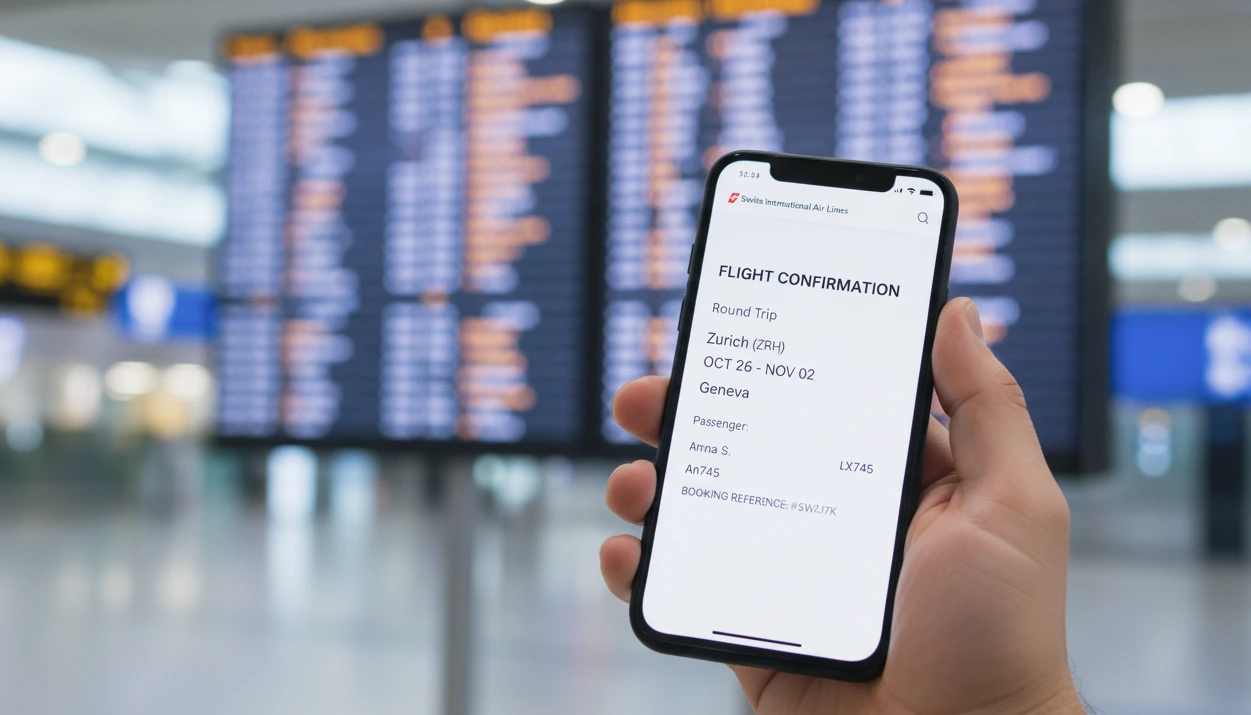
You want a clean way to lock a fare while you sort documents, dates, and budgets. SWISS gives you that breathing room with a paid hold that is simple when you know where to look and what to expect.
We will walk you through how it shows up on the Swiss Air website, how the countdown works, what the fee covers, and where Indian travelers hit roadblocks. Keep this section handy while you plan. Submit proof of travel with confidence using our dummy ticket booking.
Finding The Hold Button On The Swiss Air Website
You will see the option only after you pick flights and reach the final stages of checkout. It usually appears as a price guarantee or fare hold that lets you reserve the itinerary for a short period. If you do not see it on your first try, do not assume it never appears. It can be itinerary-dependent.
Here is the quick path many Indian travelers use:
-
Search your route and dates.
-
Select flights that show an LX code. LX is SWISS’s flight number.
-
Proceed to the traveler details and payment stage.
-
Look for wording like “secure your fare” or “price guarantee” that includes a small fee and a time limit.
If the button is missing, try a different fare family on the same flights, or check another browser session after clearing cookies. Availability can change with small tweaks. For more on how this integrates with dummy tickets, refer to authoritative sources like SchengenVisaInfo.com.
How Long The Clock Runs And What Really Happens At The End
Treat 48 hours as your baseline. The timer starts after you complete the hold payment and receive the confirmation email. Some markets and channels have historically referenced slightly different windows, but you should plan around two days.
What happens when the time ends depends on the exact terms shown during your session. In most cases, the booking will expire if you do nothing. In some flows, the airline may proceed with ticketing if you have given authorization to charge the full amount within the consideration period. The safest move is simple. Set a personal deadline 6 to 12 hours before the official expiry and confirm or cancel on your own terms.
What The Hold Fee Covers And What It Does Not
The fee is a surcharge for the service. It is separate from your ticket price and is generally non-refundable. Think of it as an insurance premium for time. It buys you a fixed window to hold the fare and seats. It does not include extras like seat selection or baggage upgrades. Those unlock after you issue the ticket.
Important points for your checklist:
-
Non-refundable: do not expect the fee to be credited toward the fare.
-
Per person: plan the math for families and groups.
-
One journey per record: round-trip is fine, but complex multi-city plans often require separate holds.
When The Hold Button Appears And When It Disappears
You are more likely to see the option when every segment carries an LX flight number. Codeshares can break the chain. If your onward leg from Zurich is on a partner without an LX number, the hold option may vanish. It also tends to disappear within 24 hours of departure. Last-minute shoppers often miss it.
Other common reasons it does not show:
-
Mixed cabins in one direction.
-
Certain promotional fares require immediate ticketing.
-
Inventory with a limited time-to-departure that the system will not lock.
If you need the hold for a specific trip, try a pure LX routing even if it means a slightly different connection time in Zurich. Once your visa is sorted, you can re-optimize cabin or timing.
Payment From India: Cards, Currency, And INR Reality Checks
The hold surcharge usually appears in a foreign currency. Your Indian card will convert at your bank’s rate and may add FX fees. This is small in absolute terms, but it is still worth noting if you are holding for several passengers.
Keep these money pointers in view:
-
Check your card’s international fee. Most cards add 1 to 3 percent.
-
Watch for OTP friction. International transactions sometimes trigger 3D Secure prompts.
-
Avoid back-to-back holds on the same PNR. You will pay twice and still have to ticket later.
What You Receive After You Hold And Where To Manage It
After payment, you receive a booking confirmation with a record locator. You can return to Manage My Bookings on the Swiss Air website using the booking code and last name to view status, confirm ticketing, or cancel if that option is presented. Keep an eye on your email. Reminders often arrive as the clock winds down.
Once you choose to ticket, the system charges the full fare and issues the e-ticket. You can then add seats, baggage, and special requests. These extras usually require a ticketed booking.
Using A Hold For Simple Roundtrips From India
For straightforward India to Europe round-trips through Zurich, the hold is a quick way to:
-
Lock a competitive fare while you wait for a meeting invite or a leave approval.
-
Keep your preferred timing on busy dates when school holidays push demand.
-
Submit a provisional plan to a manager or travel approver without committing corporate funds.
A clean example is Delhi to Zurich and back, with both legs showing LX numbers. You pay a small hold fee, freeze the price for 48 hours, and confirm once your dates are final. This path keeps decisions tidy, especially when your visa is already approved, or you are renewing and only need a final schedule.
Where Holds Struggle: Multi-city, Codeshares, And Tight Timelines
The feature is less helpful when your trip has many moving parts. If you build an open jaw or add a non-LX segment, the button can disappear. If your departure is less than a day away, the system often requires immediate ticketing.
These cases often frustrate travelers in India:
-
A three-city Schengen loop with a partner-operated intra-Europe hop.
-
A late-night India departure with a short connection, booked inside the 24-hour window.
-
A family booking with mixed cabins or split availability.
If you face any of these, simplify the path for the hold. Choose a pure LX pair to lock the long haul, then finalize the rest after ticketing. This keeps your long sector price safe while you adjust the smaller legs.
Pro Tips To Stretch Your 48 Hours Without Paying Twice
You can do a lot in two days if you plan the sequence well. Use these tactics to protect your window.
-
Book the hold late at night in India. This gives you one full working day plus a morning to finalize. Time zones can work in your favor if the system times are aligned with departure airports.
-
Prepare documents first. Keep passport details, known traveler numbers, and contact info ready, so you avoid rework when you ticket.
-
Pin your decision time. Place a calendar reminder 12 hours before expiry. Confirm then, or release it cleanly.
-
Avoid duplicate experiments. Do not start a second hold on the same dates to “buy time.” You will pay extra and can still lose inventory.
Quick Troubleshooting From India
If payment fails, try again on a desktop session with a stable connection. Clear cookies, switch to a private window, and confirm your card’s international usage setting. If the hold button flashed earlier and now vanished, it usually means the fare class changed, or the time-to-departure crossed a threshold. Research with the same dates, check an alternate connection in Zurich, or try the next fare family.
If you need human help, contact the airline’s customer support. Keep your proposed flights, traveler names as per passport, and card details at hand so the agent can replicate your selection. Be ready for the same rules that apply online. If the system will not offer a hold on a codeshare, an agent will usually not override that rule.
The hold is best for simple LX-operated itineraries where 48 hours is enough. It gives you calm space to align work approvals, compare fares in INR, and run final checks on your visa timing. Know that the fee is a service charge, not a deposit. Expect variability by route, fare family, and timing. Read the terms shown in your own checkout session before you pay. Then control the end of the window by deciding a little early.
Used this way, the SWISS hold becomes a dependable tool in your planning kit. It protects your preferred flights, stops you from panic buying, and keeps your budget intact until you are truly ready to issue the ticket. 👉 Order your dummy ticket today
The Real-World Gap: Website Vs. Phone Vs. “I Heard It’s 72 Hours”
You saw the hold button. Great. Now you want to know how long it really lasts, why some people claim 72 hours, and whether a phone call from India changes the outcome. Let’s clear the fog before you plan around rumors.
We will unpack where hold lengths and fees come from, why channels behave differently, and how itineraries influence what you see. Use this section to set realistic expectations that match how SWISS handles inventory today. Keep your plans flexible and book a dummy ticket.
Why Some Travelers Still Say “72 Hours,” And Others See “48”
The mixed stories have a simple origin. SWISS introduced a time-limited fare hold that has evolved. Different markets, fare families, and system settings have shown different clocks over time. Many travelers remember older windows. Others quote third-party write-ups that were accurate for a period but not universal.
Here is what usually drives the difference:
-
Market rules. The hold window can vary by sales country. Your session on the Swiss Air website may not mirror what a traveler in another region sees.
-
Fare family. Some discounted fares require faster payment. Premium or flexible fares can allow a longer consideration period.
-
Departure timing. The closer you are to the flight, the shorter the system is willing to freeze a price.
-
Inventory control. If demand spikes, revenue management tightens holds to avoid locking seats that may sell at a higher yield.
You can treat 48 hours as the default today. If a longer clock appears for your itinerary, take it as a bonus. Do not plan around older hearsay.
Why Fees Shift Between Itineraries And Travelers
You may hear one friend quote a small fee and another report something higher. Both can be correct. The surcharge is a service price, not a flat tax. It depends on where you buy, which flights you select, and when you travel.
Expect the fee to move with:
-
Sales point. A Delhi session can show a different fee from a Zurich session, viewing the same flights.
-
Advance purchase window. A hold far in advance can price differently from a hold close to departure.
-
Cabin. Business or premium economy sometimes triggers a different service charge.
-
Passenger mix. Per-person surcharges multiply for families. Two adults and two children can change the optics.
We suggest you compare the fee to your risk. If you need 48 hours to confirm leave approval or a visa date, the small cost often beats paying a higher fare later.
The Channel Puzzle: Why Website, Call Center, And Agencies Behave Differently
You can place a hold in three broad ways. Each works under a different set of controls that explains the variety.
1) Swiss Air website.
You get the retail product designed for self-service. The system shows you a hold option when your itinerary qualifies. It collects the surcharge online. It sets the clock that appears in your confirmation. What you see is what you get.
2) Phone support.
An agent can replicate what the website offers. Sometimes an agent can see inventory that clears small glitches. The rules remain the same. If the website blocks a hold on a codeshare, the phone team usually cannot override it. You may get help with payment or name corrections. You should not expect a secret longer window because you called.
3) Travel agencies and OTAs.
Agencies use global distribution systems. They can build a booking and keep it alive for a short period without issuing a ticket. That looks like a hold to many travelers. It is not the same service you see on the Swiss Air website. The survival of that booking depends on the fare rules and the automation that purges un-ticketed records. That is why you may hear about 24, 48, or 72 hours. It is not a promise from SWISS retail. It is an agency workflow.
Understanding this difference helps you interpret the noise online. Much of the “72-hour” talk comes from agency practices or older snapshots of policy.
Itinerary Matters More Than You Think
Holds are more likely to work cleanly when every leg has an LX flight number. Once a partner airline appears, the retail product often disappears. That is not a glitch. It is how interline and codeshare agreements handle risk.
Here are the triggers that change what you see:
-
Codeshares. A partner-operated segment shifts control. The website may remove the hold button to avoid cross-carrier ticketing risk.
-
Married segments. The system treats two legs as a pair. If you try to split them or change the connection, the holds can fail.
-
Open-jaw plans. Non-standard patterns increase complexity. The system may require immediate ticketing.
-
Tight connections. Short minimum connection times leave less room. The system avoids freezing seats that are hard to resell if you drop them.
When you need the hold but your ideal routing is complex, create a clean LX pair to secure the long-haul. After ticketing, refine short European hops.
The Time Zone Trap That Eats Your Buffer
Many travelers in India run out of time because they forget local clocks. The consideration period is tied to the rules displayed for the departure airport or the sales market. A 48-hour window set from European time can feel shorter if you book late evening IST and count on two full Indian days.
Protect yourself with simple discipline:
-
Book the hold during Indian business hours.
-
Assume a shorter practical window than the number shown.
-
Set a reminder well before the deadline.
Small timing habits prevent expensive rush decisions.
“Website Said No Hold, But The Agent Helped” And Other Edge Stories
You will find posts that say a call center created a hold when the website did not. Both can be true. Here is why.
-
The website blocks hold on some mixes. An agent can sometimes re-shop the same flights with a different fare family that allows a hold.
-
Temporary payment errors can hide the button until you clear cookies or start a new session. Agents bypass your browser.
-
Inventory can free up between searches. What looked impossible at 10:00 becomes available at 10:07.
Treat these as edge wins. They are useful, but they do not mean the phone team has a different rulebook. If your plan relies on a specific outcome, test it on the website first, so you know the baseline.
What To Expect If You Try Third-Party “Hold” Features
Some online agencies advertise hold-like buttons. These behave in two ways.
-
True airline hold. The agency plugs into the same retail service. You pay the airline’s surcharge, and the rules match.
-
Agency-controlled booking. The agency creates a record and promises to ticket you later if you confirm. This can look like a 48 to 72-hour pause. It is not guaranteed if the fare expires or the airline tightens inventory. You also add a middleman for refunds and changes.
For trips that feed into visa timelines, adding another party can slow you down. A direct hold on the Swiss Air website is cleaner when the option appears.
How Revenue Management Looks At Your Hold
It helps to think like the airline for a moment. A hold is a risk. The airline freezes your seat and price, hoping you will convert. If demand rises, that seat could have sold higher. This is why the system prefers to offer holds on itineraries with predictable demand and on dates that are not too close.
What this means for you:
-
Weekend departures and festival periods can show fewer or shorter holds.
-
Early-season searches often show holds more consistently than last-minute scrambles.
-
If you keep placing holds without ticketing, you may see offers dry up on that routing.
Use holds with intent. They are a bridge to a decision, not a way to fence seats while you shop the entire market.
The India Checklist For Getting Consistent Results
If you want smooth experiences from India, follow a straightforward playbook.
-
Start with LX on both legs. This keeps the hold option alive.
-
Search clean. Private window. Fresh session. No leftover cookies that bias the results.
-
Check one alternative connection. If the first choice has no hold, try the next best timing.
-
Avoid mixed cabins in one direction. Keeps rules simple.
-
Place the hold during daytime IST. Maximizes your reaction time for queries and payment issues.
-
Decide early. Do not ride the last hour. Confirm or release 6 to 12 hours before expiry.
This routine saves time and avoids paying multiple hold fees that add no value.
When The Phone Call From India Is Worth It
You do not need to call for every booking. Still, there are moments when a call works in your favor.
-
Payment errors. The team can take payment and complete a hold you already see.
-
Name details. If your passport shows a spacing or order that the form rejects, a human can guide you.
-
Accessibility or special service requests. The agent can note requirements once you ticket.
What not to expect:
-
A longer clock on demand.
-
A hold on the codeshare website.
-
An exception to non-refundable hold fees.
Use the phone for execution support, not rule changes.
The hold product is reliable when you play inside its guardrails. Treat 48 hours as your working window. Expect fees to vary with market, timing, and cabin. Prefer LX-numbered legs if you want the button to appear. Use the Swiss Air website as your source of truth, and let the phone team help if a payment or profile issue blocks you.
You will still hear stories about 72-hour holds. Many come from agency workflows or older snapshots of policy. Plan for what you can see in your own session. If the system offers a longer hold, consider it a lucky break. If it shows a shorter one, respect the clock and act early.
Do that, and you keep control. Your fare stays protected. Your visa plan stays on track. Your budget stays intact.
Click. Hold. Win Your Window: Step-By-Step On SWISS For Travelers In India

You want the hold to work the first time. No surprises. No scrambling in the last hour. Let’s walk through the exact clicks, the common roadblocks, and the fast fixes that make the Swiss Air website behave.
Keep this playbook open while you book. Follow it in order. You will save time and keep your fare safe. Get instant delivery and unlimited date changes through dummy ticket booking.
Prep Smart Before You Search
Set yourself up so the hold option actually appears and the payment clears.
-
Have passport details ready. Names must match exactly.
-
Use a clean browser session. Private window. Fresh cookies.
-
Keep one card with international transactions enabled. Know your bank’s OTP flow.
-
Decide on your plan B. A second connection time or a nearby date that still works.
This prep avoids half the issues Indian travelers face.
Place A Hold On The Swiss Air Website: Desktop Or Mobile
Follow this flow on the Swiss Air website. Mobile works, but the desktop is smoother.
-
Search your route and dates. Start with a straightforward round-trip.
-
Pick LX flights. Look for LX on both legs to improve your odds.
-
Choose a fair family. If you have options, start with the standard family, not the deepest promo.
-
Enter traveler details. Copy names from the passport line by line.
-
Proceed toward payment. Watch for wording like “secure your fare” or “price guarantee.”
-
Accept the surcharge and time limit. Confirm the hold window.
-
Pay the hold fee. Complete the OTP step if your bank asks.
-
Receive your confirmation. Save the booking code immediately.
You now have a live reservation with a countdown.
If The Hold Button Is Missing: Quick Fixes That Work
Do not give up at the first screen. Small changes often bring the option back.
-
Switch fare family. Try the next fare on the same flights.
-
Rebuild with pure LX segments. Remove partner legs for the hold.
-
Adjust the connection. Add 30 to 60 minutes in Zurich.
-
Search the same dates in a fresh private window. Clear stored state.
-
Check the clock. If the departure is inside 24 hours, the option often disappears.
When it still does not appear, test a nearby date. If you see it there, your original date is likely too tight or too mixed.
Confirm Your Booking Before The Clock Runs Out
Treat the deadline as a hard stop. Confirm early so you control the outcome.
-
Use the email link or Manage My Bookings. Enter the booking code and last name.
-
Review names and dates. Fix any typos before ticketing.
-
Add payment for the full fare. Watch for OTP.
-
Check for the e-ticket receipt. You are not ticketed until the e-ticket number appears.
Set a reminder 12 hours before the official expiry. Decide then. If you wait for the last hour, payment hiccups can cost you the fare.
Cancel Or Let It Lapse: Which Is Safer
You will see two patterns across experiences. Either you can actively cancel the hold from your booking view, or you can simply let the hold expire. The smarter approach is to keep control.
-
If a cancel button appears, use it. You end the record cleanly.
-
If there is no cancel option, let it lapse. Do not re-hold the same itinerary unless you must.
-
Remember, the fee is non-refundable. Treat it as the price of time.
If you plan to rework your dates, rebuild your search from scratch to avoid stuck data.
Manage Your Record: What You Can And Cannot Change
The hold is not a full booking. Some actions only unlock after ticketing.
You can usually:
-
View the itinerary and expiry time.
-
Proceed to full payment.
-
Update basic contact fields.
You generally cannot:
-
Pick seats or add bags until the ticket is issued.
-
Change dates within the held record.
-
Split passengers into separate records.
Once you're ticketed, the portal opens up. Seats, bags, meals, and special requests become available.
Call From India When It Adds Real Value
The phone team can help when technology gets in the way. Use them for execution, not exceptions.
Call if:
-
Your card keeps failing. They can process payment for the hold you see.
-
The name format is tricky. They can guide accepted formats.
-
You received a confirmation, but the link is broken. They can resend or locate the booking.
Do not expect:
-
A longer hold than your session shows.
-
A manual hold for a codeshare on the website.
-
A refund of the hold surcharge.
Have your proposed flights, names as per passport, and card ready. Calls go faster when you lead with specifics.
After Ticketing: Lock Extras And Final Checks
Once the e-ticket is issued, add the pieces that make travel comfortable and visa-friendly.
-
Seats. Pick seats that match your needs. Families should cluster now.
-
Baggage. Prepay if it is cheaper than airport rates.
-
Contact details. Confirm phone and email for notifications.
-
Meal preferences or medical requests. Add them early.
-
API data if required. Fill in any additional passenger info prompts.
For Schengen, print the final e-ticket and keep the booking code handy. VFS counter staff often ask to verify the record.
Payment Tips That Save Time In India
Foreign currency charges trip up many new travelers. A few habits to avoid failed payments and duplicate fees.
-
Enable international transactions before you start. Some banks require a toggle.
-
Use a card with low FX markup. Two to three percent is common.
-
Avoid repeat clicks during OTP. Wait for the bank page to load fully.
-
Do not hold twice to “be safe.” You double-pay and confuse inventory.
If a payment error occurs, stop and start a new private session. When in doubt, call with your booking code.
Name And Document Accuracy: Small Errors, Big Headaches
Name mismatches derail ticketing and visa timelines. Fix them before you pay the full fare.
-
Match the passport exactly. First name, middle name, surname.
-
Remove nicknames or initials that do not appear in the passport.
-
Check date fields. Day and month are easy to flip.
-
Verify passport validity. Schengen often needs enough validity beyond travel.
If your passport shows a compound surname or spacing that the form rejects, ask the phone team for the accepted format. Confirm it before you ticket.
A Simple Timing Strategy That Works In India
You only get 48 hours in most cases. Use a rhythm that turns two days into enough time.
-
Place the hold in the morning IST. You get a full workday for bank calls and HR approvals.
-
Send the itinerary to stakeholders immediately. Manager, HR, or family can confirm the plan while the clock is fresh.
-
Decide by evening on Day 1. Ticket then, or stop and rebuild with new dates.
-
Avoid the last morning rush. Do not tempt a payment outage or OTP delay.
This timing keeps control on your side and reduces stress.
If You Need To Rework The Itinerary
Sometimes plans change mid-hold. Resist the urge to patch the existing record.
-
Let the current hold go. Avoid clashes in the system.
-
Rebuild clean with your new plan. Pick LX legs again if you still want the hold.
-
Place a new hold only when the new dates are firm. Save the fee for a real decision window.
Clarity beats speed when fees are non-refundable.
Checklist: From Hold To Ticket Without Drama
Copy this list into your notes. It is the fastest way to stay on track.
-
Pure LX legs selected.
-
Fresh private window used.
-
Hold option visible and fee accepted.
-
Booking code saved.
-
Reminder set for 12 hours before expiry.
-
Names checked against passport.
-
Payment card ready and international enabled.
-
E-ticket received before you add seats or bags.
Run the list top to bottom. You will close cleanly.
You do not need tricks. You need order. Prepare your details. Keep your itinerary LX on both legs. Place the hold in a clean session. Confirm early through Manage My Bookings or the email link. Use the phone when technology blocks you, not to bend policy. Once you're ticketed, add seats, bags, and any special requests.
Follow this flow, and you will get the result you want. Your fare stays protected. Your admin work stays tidy. Your visa plan stays on schedule.
Price Clarity For India: Hold Fee, Flexible Fare, Or 24-Hour Cancel?
You want protection from price jumps without paying more than you need. The right choice depends on your clock, your route, and how certain you feel about dates. Let’s compare the three tools you actually use on SWISS trips from India and see which one wins for your situation.
Read this section with your calendar open. A quick reality check now saves money later. Beat tight appointment windows and book a dummy ticket.
Start With One Question: What Risk Are You Paying To Remove?
Every option removes a different risk.
-
Hold fee. You pay a small amount to freeze today’s fare for a short time. You avoid a sudden price spike while you confirm plans.
-
Flexible or refundable fare. You pay a higher ticket price to change or refund later. You remove the risk of date shifts beyond two days.
-
24-hour cancellation. On some itineraries, you get time to cancel after purchase. You remove the hesitation risk within one day without a special fee.
Decide what keeps you up at night. If your manager signs off tomorrow, a hold is perfect. If your embassy appointment may slip by a week, a flexible fare can be cheaper than rebooking twice.
When The Hold Fee Is The Smartest Spend
A paid hold is best when your decision window is short and predictable.
Pick the hold if:
-
You are waiting for one approval that will come within two days.
-
You are comparing two meeting dates, but will pick one by tomorrow.
-
The fare is unusually low today, and you want to secure it while you think.
-
You want to align personal plans before you pay the full amount.
Why it works:
-
The fee is small compared to a potential fare jump.
-
You keep your preferred flight times and seats from being sold.
-
You avoid immediate FX charges and refund cycles.
Watch outs:
-
The fee is non-refundable. Treat it as a tool, not a deposit.
-
Complex routings can hide the button. Keep LX on both legs for the hold to appear.
-
If you miss the deadline, you can lose the fare and the fee.
When A Flexible Fare Beats Multiple Holds
Flexible or refundable fares look expensive at first. They can cost less in real life when dates are fluid.
Choose a flexible fare if:
-
Your visa interview date is uncertain by a week or more.
-
You need to coordinate with a client who can shift meetings without notice.
-
You are managing family travel where school permissions or health updates may move the trip.
Why it works:
-
One higher fare can be cheaper than two or three hold fees and a full rebook.
-
Changes are simpler and faster. You do not juggle new holds and payment attempts.
-
You can lock seats, bags, and special services without waiting.
How to judge the premium:
-
Compare the flexible fare premium to what you would likely pay in change penalties and fare differences later.
-
Consider your cash flow. If refunds take weeks to post, the higher fare can still be easier on your schedule.
The 24-Hour Cancellation Safety Net And Its Limits
On certain itineraries, you can buy a ticket and cancel within 24 hours if you change your mind. It is a safety net, not a universal rule for every route.
Use it when:
-
Your trip touches the United States, and you are buying directly from the airline.
-
You are testing a fare you cannot hold but might confirm tomorrow.
-
You prefer to pay now and cancel later rather than risk the fare rising overnight.
Limits to remember:
-
It does not apply to every market, every airline combination, or every sales channel.
-
It may not apply to third-party sites.
-
The rule gives you time to cancel, not to change to a different routing at the same price.
Practical tip. If your itinerary qualifies, place a reminder the moment you book. Cancel within the day if plans shift. Do not wait for the last hour.
Build Scenarios In INR: Three Worked Examples
Numbers help make decisions. Use these simple scenarios as a guide for India-origin trips.
Scenario A. Two-day decision.
-
Fare today: ₹58,000 return.
-
Typical hold fee per traveler: roughly ₹600 to ₹1,800 equivalent, depending on currency and cabin.
-
Risk. A price jump of ₹2,000 to ₹4,000 if you wait unprotected.
-
Decision. Pay the hold fee. Confirm tomorrow. You win even if the fare rises slightly.
Scenario B. One-week uncertainty.
-
Fare today: ₹62,000 return on a standard ticket.
-
Flexible fare today: ₹72,000 with free changes or low penalties.
-
You're likely to change. One shift of three to five days after you know your appointment date.
-
Decision. If a standard ticket change would cost ₹5,000 to ₹8,000 plus fare difference, the flexible fare often wins. You pay once and move without drama.
Scenario C. U.S.-bound booking with 24-hour cancel.
-
Fare today: ₹78,000.
-
You might get client confirmation tomorrow.
-
Decision. Buy the ticket now. If the meeting slips, cancel within the day. If it holds, you already locked the price. Treat it like a freehold with stricter timing.
Adjust the numbers to your route and cabin. The logic holds.
Hidden Costs Indians Forget To Include
We see travelers underestimate side costs. Add these to your mental math.
-
FX markup on your card. Expect 1 to 3 percent on foreign currency charges. Budget it in.
-
Refund timelines. Banks can take 7 to 15 business days to post refunds. If cash flow matters, a hold can be kinder than buy-and-refund cycles.
-
Convenience fees on some payment methods. Avoid options that add fees without benefits.
-
Time cost. Chasing refunds and reissues takes hours. A flexible fare can save your schedule during busy weeks.
Corporate Travelers: Policy Shapes The Best Choice
If your company requires approvals before ticketing, a hold aligns with policy. You freeze the fare and submit the itinerary for sign-off. If your company mandates flexible fares for client trips, follow it. You will save time on change approvals and reimbursement.
Tips for smooth corporate bookings:
-
Share the held PNR with your travel desk on the same day.
-
Add a one-line business reason to speed manager approval.
-
If you must switch to a flexible fare, do it once. Do not stack holds and tickets.
Couples And Families: Multiplying Fees Without Feeling It
Small surcharges add up. A ₹1,200-equivalent hold fee looks tiny for one traveler. For four travelers, it becomes real money.
How to handle families:
-
Place one clean hold only when your dates are firm enough to decide within two days.
-
Use a flexible fare for travelers with uncertain schedules, like a parent who may delay.
-
Avoid mixed cabins during the hold. Finalize the cabin after ticketing to keep the option visible.
A Quick Decision Framework You Can Use In 60 Seconds
Ask three questions. Your answer picks the tool.
-
Will we decide within 48 hours?
Yes. Pay the hold fee and relax.
No. Go to question 2. -
Are dates likely to move by more than three days?
Yes. Price the flexible fare. It often wins after one change.
No. Go to question 3. -
Does the itinerary qualify for a 24-hour cancellation after purchase?
Yes. Book now and set a reminder to cancel within a day if needed.
No. Place a hold if available. If not, consider a flexible fare or wait for certainty.
Simple beats complicated when money is involved.
Red Flags That Change The Math Immediately
Switch strategy if you see any of these.
-
Festival or school holiday weeks. Fares jump faster. Favour holds or buy with 24-hour cancel if eligible.
-
Low remaining seats in your preferred cabin. Do not gamble. Either hold or buy and protect with cancel rules.
-
The visa appointment is more than a week away. Flexible fares begin to outperform multiple holds.
-
Codeshares or complex multi-city. Holds may not appear. Plan for flexibility or simplify the routing for the long-haul segments.
Rule-of-Thumb Thresholds For Fast Calls
Use these thresholds when you do not have time to calculate.
-
If the flexible fare premium is under 10 percent and your dates are wobbly by a week. Choose flexible.
-
If your decision will land within 24 to 48 hours, and the hold fee is under 3 percent of the base fare. Choose the hold.
-
If your route qualifies for a 24-hour cancel, and you are 70 percent sure. Buy now and set the reminder.
-
If you need two or more changes. Flexible fare almost always wins.
Match the tool to your timeline. Use the hold when you just need a clean two-day window to decide. Pay for flexibility if your dates will move beyond that. Use a 24-hour cancel on qualifying routes when you want the price locked today and the option to exit tomorrow.
Do the math in rupees. Add FX markups and refund delays to the picture. Then move with intent. You will spend less, protect your fare, and keep your visa plan on track without stress.
Visa-Ready Itineraries From India: Make Your Booking Work For The Embassy
You are not collecting paper. You are building confidence. The consulate or VFS desk wants to see a trip plan that looks real, reads clean, and matches the rest of your file. We will show you how to shape a SWISS hold or reservation so your application moves without drama.
Read this with your appointment date in mind. The goal is simple. A verifiable itinerary that stays valid long enough to do the job. Lock your fare while you finalize documents with fast dummy ticket booking.
What Schengen Visa Staff Actually Check On Your Flight Itinerary
Think like the person behind the counter. They look for signals that the trip exists and that your dates make sense.
-
Verifiability. A live booking with a working record locator that can be pulled up in the system.
-
Identity match. Names on the booking match the passport exactly.
-
Date logic. Arrival and departure align with hotel bookings, invites, conference letters, or course start dates.
-
Route feasibility. Connections are realistic, with legal minimum times and correct airports.
-
Consistency. The itinerary supports your financials and travel purpose, not the other way around.
If your flights, hotels, and letters tell the same story, the conversation goes faster.
Schengen Through VFS India: Align The Hold With Your Slot
Schengen missions accept verifiable itineraries for most short stays. The friction appears when your VFS appointment sits outside a two-day window.
Use this rhythm to keep control:
-
Lock a SWISS hold only when your documents are 90 percent ready. That way, you can submit or at least finish biometrics before the clock expires.
-
Keep both legs LX where possible. The hold option appears more reliably and stays easy to verify.
-
Avoid micro-changes after you print. If a date moves by one day, reprint the itinerary and update your cover letter so everything matches.
-
Add a short, clear note in your cover letter. One line that you will confirm tickets after the visa decision is expected is often enough.
If your slot is one week away, plan an alternative. A 48-hour hold will not survive that wait.
UK, Canada, USA: Different Clocks, Same Need For Verifiable Plans
Each destination has its own rhythm. The principle stays the same. Submit a plan that can be checked, then ticket when you are actually cleared to fly.
-
United Kingdom. Processing times bounce with seasons. Use a reservation that remains valid while you wait. If you must show paid tickets, time your purchase close to the decision stage.
-
Canada. Biometrics and background checks extend timelines. A short hold does not help much. Keep your itinerary consistent with your letter of explanation and funds.
-
United States. If your route touches the U.S., you may have short-term cancellation options after purchase. That can act like a one-day hold. Confirm your route-level rules before you rely on them.
In every case, dates on flights and hotels should support the purpose letter and invite.
When Forty-Eight Hours Is Not Enough
Sometimes you cannot fit real life into two days. Appointments shift. HR needs a stamped letter. A child’s school calendar changes. You still need a plan that the embassy can check.
Here is how to handle longer lead times:
-
Stage your documents. Finish bank statements, HR letters, and travel insurance first. Then add the flight reservation last.
-
Avoid stacking multiple holds. You pay more, and sometimes confuse inventory.
-
Use a reservation that remains verifiable for more than two days. That keeps your file current without constant rework.
The key is to maintain a single, clean record that lasts until you submit and attend biometrics.
Clean Paper Trail: Names, PNRs, And Consistency
Small mistakes create big delays. Tighten the basics before you print.
-
Names match the passport. Do not improvise with initials or nicknames.
-
Dates align. Flights, hotels, invite letters, and travel insurance overlap correctly.
-
Same airports. If you say Zurich in your plan, the booking should say Zurich, not Basel.
-
Printable confirmation. Keep a PDF with the booking code visible.
-
Contact details. Your phone and email in the booking match your form.
If you need to change anything, update every document that touches that detail. Consistency builds trust.
Using A SWISS Hold As Proof: Where It Shines
The hold is excellent when your application step sits inside two days, and the routing is simple.
Best use cases from India:
-
Short-notice business travel. You have a client invite in hand and a VFS slot tomorrow. Hold today, submit tomorrow, ticket once schedules lock.
-
Renewal with predictable timing. You know the consulate’s turnaround from experience. A two-day window is enough to show intent without overcommitting funds.
-
Family trips with fixed school breaks. You have the leave confirmed and just need a day to coordinate between parents or with relatives abroad.
The advantage is speed. You get a verifiable record now, then convert to a full ticket right after the embassy step.
Longer Timelines, Simpler Life: Flight Reservations From DummyFlights.com
If your appointment sits days away and you want a verifiable record that lasts, a dedicated reservation service makes planning easier. When a two-day clock is too tight, you can use DummyFlights.com to get a verifiable booking PDF with a live PNR for ₹1,300 equivalent and receive it instantly.
You can also request date changes without extra cost, which helps when VFS moves your slot or a meeting shifts. Use this when you want a proof-of-itinerary that stays valid through slow embassy weeks, then switch to a paid SWISS ticket once your visa decision is in hand.
Multi-Entry, Multi-City, And Open-Jaw Plans That Still Look Credible
Complex trips are common for India to Europe. You might enter through Zurich, meet a team in Germany, spend a weekend in Italy, then exit from Paris. Your booking needs to reflect that flow without raising questions.
Keep it tidy with these steps:
-
Anchor the long-haul legs clearly. India to Zurich and return dates should bracket the trip.
-
Explain the internal hops in your cover letter. Two lines that you will finalize intra-Europe transport after the visa decision are enough.
-
Avoid overbuilding. Do not attach every intra-Europe sector to your first reservation if the hold option disappears. Keep the long-haul clean and verifiable.
-
Match hotels to nights. If you plan an open-jaw, ensure your accommodation proofs line up with segments.
A believable story matters more than an overstuffed booking.
Students, Business Travelers, And Families: Tailored Playbooks
Different travelers face different timing issues. Adjust your approach.
Students.
-
Confirm your admission and fee schedule first.
-
Use a reservation that lasts through CAS, I-20, or visa document handoffs.
-
Align flight dates with orientation. Admissions teams ask for this.
Business travelers.
-
Tie your booking to the invite or conference email.
-
If your client can change dates late, budget for flexibility upfront.
-
Keep the long-haul on one clean PNR to simplify corporate approvals.
Families.
-
Ensure every passport has enough validity.
-
Keep children’s school letters or leave approvals handy.
-
Avoid mixed cabins during the reservation stage. Decide seats once ticketed.
In every case, the person reviewing your file should be able to trace the plan in seconds.
Smart Timing Around Indian Holidays And Peak Seasons
Appointment slots and fares both tighten in the weeks around Diwali, Christmas, New Year, and summer breaks. Build in a margin.
-
Lock your reservation earlier than usual. Do not wait for a last-minute VFS slot.
-
Expect fewer hold options on busy dates. If the button does not appear, simplify to pure LX legs.
-
Keep alternatives ready. A one-day shift in either direction can keep your plan intact and your price calmer.
Planning early avoids a chase for disappearing inventory.
Your Visa Itinerary Checklist For Zero-Stress Submissions
Copy this list into your notes and check every box before you print.
-
Verifiable booking with a visible record locator.
-
Names match the passport character for character.
-
Dates align with hotels, invites, and insurance.
-
LX on both long-haul legs when using a SWISS hold.
-
PDF saved and readable.
-
Contact details are consistent across forms.
-
Cover letter includes one line about when tickets will be purchased.
-
Backup plan ready if appointment dates slide.
This is how you walk into VFS or a consulate with confidence. You are not oversharing. You are showing a plan that stands up under quick scrutiny. Do that, and the conversation stays friendly, short, and simple.
Complex Itineraries, Clean Solutions: Handle Codeshares, Multi-City, And Group Quirks
Complicated routes are normal for India to Europe. You might add a partner leg, split cities, or travel as a group. The hold option behaves differently in these edge cases, especially when your flight booking must also satisfy visa timelines. We will show you how to keep control, simplify where it matters, and avoid dead ends that cost time and money.
Read this before you build that ambitious plan. A few smart choices keep your itinerary verifiable, easy to ticket, and aligned with your paperwork. Need a verifiable PNR now? Just book a dummy ticket.
Multi-City And Open-Jaw Without The Headache
Multi-city itineraries look stylish on paper. They also create rules that block the hold button. You want flexibility without losing the safety of a reserved fare that works for a Schengen visa or other consulates.
Start with a simple structure:
-
Anchor the long-haul first. Build India–Zurich and Zurich–India with LX flight numbers so your flight itinerary stays clean and easy to verify.
-
Separate the complex bits. Intra-Europe sectors often work better as independent bookings after ticketing, which keeps documentation light while you wait.
-
Use realistic connection times. A longer Zurich transfer protects you from schedule bumps and keeps options open for changes.
-
Match nights to hotels. If you open-jaw, keep accommodation proofs consistent with flight dates so the packet reads like an actual ticket plan, not a draft.
There are moments when one booking is still efficient, especially if every leg is LX-marketed and operated, or your timings are tight enough to need protected connections. Test the hold. If it vanishes, revert to the split approach. You keep control either way, and you avoid buying a flight ticket too early.
Codeshares And Partner Legs: Keep The LX Spine
Codeshares are the classic reason the hold option disappears. The fix is design, not luck. Keep an LX spine through the long-haul legs, then add regional hops later.
-
Search pure LX first. See if your dates work with LX in both directions for a tidy record that supports a dummy flight ticket only if you truly need a placeholder for admin steps.
-
Swap the partner leg to a later step. If a regional hop forces a partner, add it after ticketing the long-haul.
-
Watch for married segments. Some pairs must stay together, and altering them can remove the hold option.
-
Price the tradeoffs. A clean LX connection that is forty minutes longer is often better than losing the hold completely or risking a scramble during your visa application.
If your destination has no LX beyond Zurich, fly LX to Zurich and purchase the onward segment later. This keeps verification simple and avoids confusion over whether you need an original air ticket at the document stage.
Group Travel From India: Herd The Details Early
Groups add volume and complexity. Names multiply. Approval chains grow. You need a process that scales and reads clearly to reviewers.
Do the groundwork:
-
Freeze the list. Collect passports early. Lock spellings and dates of birth so a refundable ticket or any change remains straightforward.
-
Nominate one coordinator. One person talks to the airline or agency and owns communication.
-
Keep the long-haul identical. Same flights and fare family for everyone reduces surprises and helps with visa approval conversations if a counselor asks for clarity.
-
Split special cases. If one traveler has uncertain dates, book them separately so the others can move ahead.
Large charges can hit card limits. Plan the payment method, and if you use multiple cards, coordinate the sequence so the system does not time out your account.
Last-Minute Departures: Race The Clock, Not Your Luck
Within twenty-four hours of departure, the system often removes the hold option. That is by design. You can still protect yourself with clean actions.
-
Prefer a straightforward round-trip. Complexity kills availability close in, and you need quick decisions while visa processing details are still in motion.
-
Buy when the price is right, and your rules allow cancellation or change. Do not gamble on a vanishing hold.
-
Call if a payment gateway hiccups. Ask the agent to finish the transaction you already see.
-
Avoid mixed cabins. Keep the record simple so the ticket issues are fast, and your paperwork stays consistent.
Speed is your friend. Simplicity is your insurance.
Red-Eye Connections And Time-Zone Reality
Time zones steal hours. If the consideration clock is tied to the departure market, your practical window can shrink in India. Place holds during business hours IST. Set two alarms. Decide early so a midnight OTP or slow page load does not derail careful travel plans.
Payment Glitches That Look Like Policy
Payment failures often get blamed on rules. Most are fixable in minutes.
-
International toggle off. Many Indian cards require enabling foreign transactions before you proceed.
-
3D Secure loops. Use a stable connection and wait for the bank page to load fully; do not double-click.
-
Cookie clutter. Use a private window with no stored sessions.
-
Bank risk blocks. If a large foreign currency charge fails, call the bank and try again.
-
Duplicate attempts. Let one attempt finish before you retry, especially when you hold reservations during busy hours.
If a payment error kills the hold, rebuild the search in a new session. Then complete the flow in one sitting to keep travel details consistent.
Name Formats, Middle Names, And Other Silent Traps
Names that do not match the passport cause gate-level trouble. Fix them before ticketing.
-
Replicate the machine-readable line. Match order and spelling.
-
Avoid punctuation that some forms reject. Use spaces only where allowed.
-
Confirm accepted formats for compound surnames with support if needed.
-
Verify every child’s details twice. Small typos are common and expensive.
Clean names help many embassies process files without extra queries, and they reduce questions about whether your booking represents an original plan or an amended one.
Seating, Baggage, And SSRs: Unlock After Ticketing
A hold is a pause, not a full service. Many extras unlock only after the ticket is issued.
Plan the sequence:
-
Hold first. Freeze price and seats on the flight, not the seat map.
-
Ticket once you are sure. Then add seats, bags, meals, or medical requests.
-
Request assistance early. Wheelchair or allergy notes should go in right after ticketing.
-
Keep receipts. If you move to a different fare family later, you will need proof for any fee differences.
If you need supporting documents, pair your reservation with a dummy hotel booking only when your packet needs accommodation proof that aligns with the same travel dates.
Protecting Complex Plans From Schedule Changes
Timetables shift. A small schedule change can break a tight connection or a married segment. Choose breathable connections. Monitor your email. Accept sensible re-accommodation when it solves the problem. Rebuild only when needed, especially if your visa application process is in motion and you do not want to reprint everything.
Smart Contingencies For India-Europe Business travel
Client calendars move. Your booking must survive that reality across EU countries on a single trip.
-
Lock the long-haul. Keep India–Zurich on LX with a clean record so onward travel remains flexible.
-
Book internal hops close to travel. Add partners only when meetings firm up.
-
Carry a short cover letter. Explain that intra-Europe transport will be finalized after visa issuance.
-
Prefer flexible hotel rates over non-refundable deals. Hotels are easier to shift than flights if visa processing stretches.
This keeps the story tidy for consulate officials and avoids last-minute edits to dates.
Seasons, School Breaks, And Festival Peaks
Peaks change how inventory behaves. Your strategy should shift, too.
-
Expect fewer holds near Diwali, Christmas, New Year, and summer. Simpler routings win and are easier to present during a Switzerland visa appointment.
-
Decide faster. Set shorter internal deadlines during peak periods across many countries.
-
Consider earlier outbound or later return by a day. A one-day move can restore the hold option and a better price.
-
Keep paperwork aligned. When flights shift, update hotel confirmations so the packet looks like an original air ticket plan rather than a patchwork.
Quick Decision Tree For Tricky Itineraries
Use this five-step check to pick your path in under a minute.
-
Does every long-haul leg show LX? If yes, proceed and test the hold. If not, rebuild to an LX spine or plan to add partners later so the file stays coherent.
-
Is the hold button missing after a clean build? Try a longer connection and a different fare family, then recheck.
-
Is the departure inside twenty-four hours? Expect no hold. Buy with the best change or cancellation rules available, ideally a fully refundable ticket if uncertainty is high.
-
Are you booking a group? Freeze names, nominate a coordinator, and split uncertain travelers so consulate officials understand the logic of the plan of the plan.
-
Will a single typo derail the plan? Verify names and dates before any full payment, then ticket and add extras so your flight ticket matches the packet.
This tree saves you from guesswork, duplicate fees, and awkward explanations.
Complex does not have to mean chaotic. Keep an LX backbone for the long haul and avoid overloading a single PNR when you can stage pieces. Place the hold on the simplest version that still represents your trip. Add partner legs and extras after ticketing, and keep documents consistent so most countries recognize a clear, verifiable plan.
For paperwork, use reservations that read like you intend to visit and then return on schedule. Avoid any fake or misleading confirmations. If a consulate needs proof of intention rather than an actual ticket, choose tools that fit the rules in many embassies, including a fully refundable ticket when it makes sense.
Align every line with your purpose, keep your onward travel and return ticket story consistent, and be ready to obtain new printouts if dates move. Do this, and your multi-city plan stays neat from search to submission, across EU countries and beyond, with every travel detail in proper account.
Swiss Air Dummy Ticket: Your Fare, Your Timeline: Finish Strong
You now have a clear way to lock a SWISS fare, test your options, and keep your visa timeline calm. Start simple, keep LX on the long-haul, and place the hold when your documents are almost ready. Confirm early. Avoid last-minute scrambles and mismatched details.
When routes get complex, use a clean spine and add the smaller pieces after ticketing. Protect your budget with the right tool for the clock you face. Hold for short decisions. Choose flexibility when dates may move. Keep every document consistent. Do this, and you travel on your schedule, with a plan that reads clean at the counter and feels effortless on the day you fly. Secure your visa-ready itinerary in minutes with dummy ticket booking.
Frequently Asked Questions about Dummy Tickets for Swiss Air
What is a Swiss Air dummy ticket?
A Swiss Air dummy ticket is a verifiable flight reservation that can be used for visa applications, providing proof of travel without purchasing a full ticket upfront.
Is a dummy ticket legal for visa purposes?
Yes, dummy tickets are legal and accepted by many embassies as proof of onward travel, as long as they are verifiable via a PNR code.
How long is a dummy ticket valid?
Dummy tickets from reliable services like DummyFlights.com are typically valid for 48-72 hours or longer, with options for unlimited changes.
Can I use a dummy ticket for Schengen visa?
Absolutely, a dummy ticket provides the necessary itinerary details for Schengen visa applications through VFS or consulates.
What’s the cost of a Swiss Air dummy ticket?
A dummy ticket usually costs around ₹1,300, offering instant PDF delivery and verifiable PNR for your convenience.
Why Travelers Trust DummyFlights.com
DummyFlights.com has been helping travelers since 2019 with specialized dummy ticket reservations. Over 50,000 visa applicants have been supported through our services. We offer 24/7 customer support, secure online payments, and instant PDF delivery. As a registered business with a dedicated support team, DummyFlights.com ensures all tickets are real and verifiable, focusing solely on niche expertise in dummy ticket solutions.
Related Guides
What Travelers Are Saying
About the Author
Visa Expert Team - With over 10 years of combined experience in travel documentation and visa assistance, our team at DummyFlights.com specializes in creating verifiable travel itineraries. We’ve helped thousands of travelers navigate visa processes across 50+ countries, ensuring compliance with embassy standards.
Trusted Sources
Important Disclaimer
While our dummy tickets with live PNRs are designed to meet common embassy requirements, acceptance is not guaranteed and varies by consulate or country. Always verify specific visa documentation rules with the relevant embassy or official government website before submission. DummyFlights.com is not liable for visa rejections or any legal issues arising from improper use of our services.
Related posts

Air India Express Dummy Ticket: Booking Options & Process
27 Dec, 25
How To Get A Kuwait Airways Dummy Ticket?
27 Dec, 25
Oman Air Dummy Ticket: Booking Guide For 2026
27 Dec, 25
Ryanair Dummy Ticket: The Easy Way To Get One
27 Dec, 25
Qantas Dummy Ticket: All You Need To Know
26 Dec, 25
Need A Flydubai Dummy Ticket? Here’s How You Can Get One
26 Dec, 25
SpiceJet Dummy Ticket: Booking Options & Alternatives
26 Dec, 25
Vistara Dummy Ticket Booking: Your Options Explained
26 Dec, 25
How To Get An IndiGo Dummy Ticket From India?
26 Dec, 25
Getting An Air France Dummy Ticket: Booking Guide
26 Dec, 25